



Charcuterie is traditionally associated with ham.
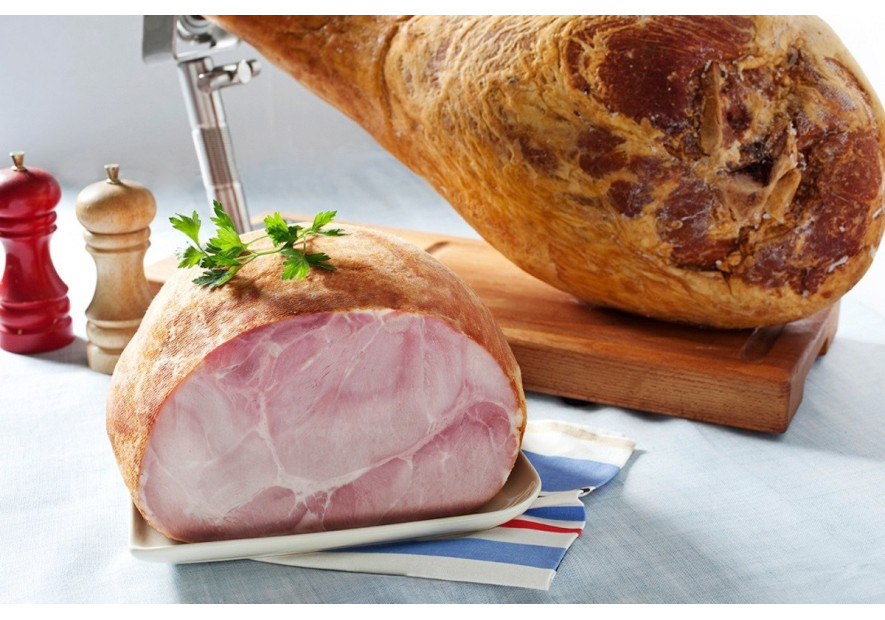
In France, it is associated with the gastronomy of the country which has also entered the UNESCO World Heritage List. It is a staple of French tables.
In ham, there is the dry and cooked category:
 The cooked category represents the white ham that we all know. the #pork appeared on earth, nearly fifty million years before our era. The domestic pig is a descendant of the wild boar. The Gauls were the first to develop their know-how and became the best in this specialty. They were very good at salting, smoking and oiling the ham. This kept very well. Its reputation is not long in making the tour of Europe. It becomes very popular during banquets. Each country is therefore beginning to adapt this recipe to their own #terroir.
The ham is cut in the posterior part of the #pig. It is a noble part which will make ham a sign of abundance, of opulence in the Middle Ages. Thanks to this past, the ham is today a monument of our #gastronomy.
Today, cooked ham is the production of #delicatessen the largest in France. It must respect very strict specifications for its preparation:
- The meat must come from the hind limb of the pig.
- It's just salted ham.
- It must be salted by brining.
- It is found steamed, braised, in a cloth, in broth with or without bone.
Other ingredients can be added to give it taste: spices, wine herbs, alcohols, sugars… but classic white ham remains the most common.
Next comes the dry category. Cured ham is today the favorite little pleasure of French tables. This product has, in fact, been consumed and appreciated since the dawn of time. A legend says that a pig would have fallen into a stream from a salt spring in the Pyrenees and would have been recovered a few days later by shepherds. The taste of this exquisite meat would therefore have given them the idea of the salting process. It then follows the same history as the cooked ham by being at the center of the culture and the table of the different periods.For its manufacture, as the #ham cooked, only the posterior part of the animal is authorized. It requires know-how, it is a true art of the table. Craftsmen must be very patient. Each of the hams is rubbed several times with salt in an artisanal way. They are then subjected to maturation.
Their taste can vary according to several criteria:
- The salting technique
- The breed of pigs
- Their diet, their breeding method
- The conduct of drying
- The duration of maturation.
Finally, these hams can benefit from different denominations and special mentions allowing them to gain notoriety and recognition.

