
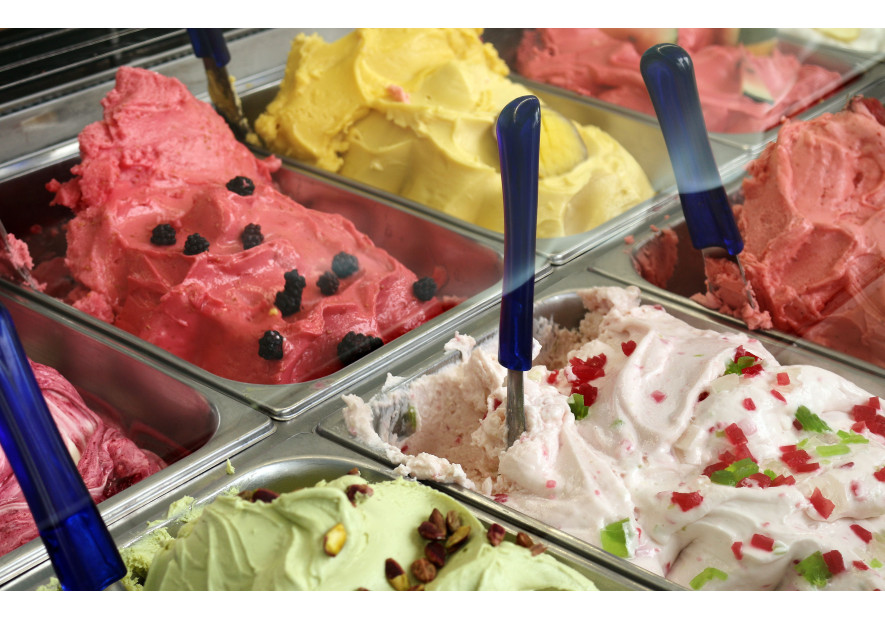


5 expressions that prove that the French love to eat!
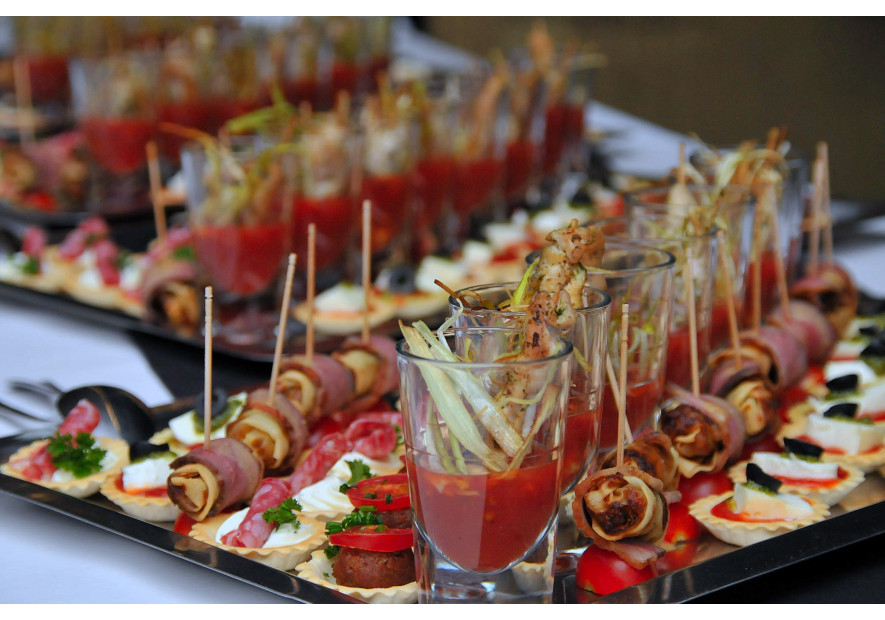
Gastronomic idiocies describing our various states and character traits pepper the French language.
They are tasty, tangy, spicy... In short, chewable.
It is certain that certain expressions, given their homage to food, can only be French. There are many formulas that describe our moods, character traits and daily situations.
THE Bretons prefer it salty, the Ch'tis, sweet. It is discussed. Either way, butter is a must. It’s hard not to taste it in our dishes. Surprisingly, “butter is often associated with an image of abundance probably because it is a rich food which was, depending on the period, reserved for the rich or the champions of the black market”.
Take the expression “ make your butter ”, for example. It means “to make a lot of money”.
This is how we naturally understand the phrase “ putting butter in the spinach ”, namely “improve your living conditions, earn more”. But then, why “spinach”?
Well, because "without butter, [ce plat] is dietary, but significantly less good for our current palates than with butter." The green vegetable is therefore a metaphor for our living conditions and the butter, money which would make it more pleasant.
Let's keep it in our mouths for a bit and come back to the famous “ being buttered (like a little lu) ” characterizing the state of a drunk individual.
The adjective “buttered” is the deformation of the slang “stuffed”, “like butter, the drunk person being soft or speaking “fat””. The comparison with the biscuit called “petit-beurre”, also manufactured since the mid-19th century by the company Lefèvre-Utile (LU), seems fortuitous. Because, as their name suggests, they are “stuffed with butter”.
Less well known, the expression “ swallowing pears of anxiety ”, which means undergoing cruel treatment or more broadly, experiencing unpleasant situations, has a dark history. We must return to the Middle Ages, a time known for its abominable means of torture.
To silence the victims of these barbaric acts, “a good way was to thrust an instrument into their mouths which, according to Larousse, “opened by means of a spring, developed into a pear shape, and suffocated completely screaming.”
However, there is another explanation: some linguists specify that the fruit, coming from the village of Angoisse located in Dordogne, "was very harsh, acrid and hard to chew, especially intended for making cider or to be cooked." Thus, “the pera d'Engoyssa, in Occitan, would have been known from the middle of the 13th century, and it would be a bit of derision that the instrument of torture would have been named thus in the middle of the 15th century”.
Our president loves the cordon bleu. The designation distinguishes a person who cooks very well. But in the past, the “ cordon bleu ” designated “prestige decorations, offered by kings (instead of sums of money, therefore much more economical) to deserving people”. For example, the insignia of the Knights of the Holy Spirit, an order created by Henry III towards the end of the 16th century. “The elitist distinction was only offered to a few people who were called “cordons bleus”.”
Less glorious is the one who has “ fried whiting eyes ” that is to say a “loving and ridiculous look; eyes raised to the sky, in an affected, ridiculous manner, revealing only the white of the eye.” If you have ever grilled a fish in a pan, you have undoubtedly noticed that its eyes protrude from its sockets. The expression, which dates from the 19th century, honors whiting. The reason is mysterious. We can read in a work by Caylus, Recueil de ces Messiers (1745): “It is from there that it has been said of lovers who look tenderly at their beloved: that they make the eyes of fried carp.”
