


LE REBLOCHON, born of tax evasion.
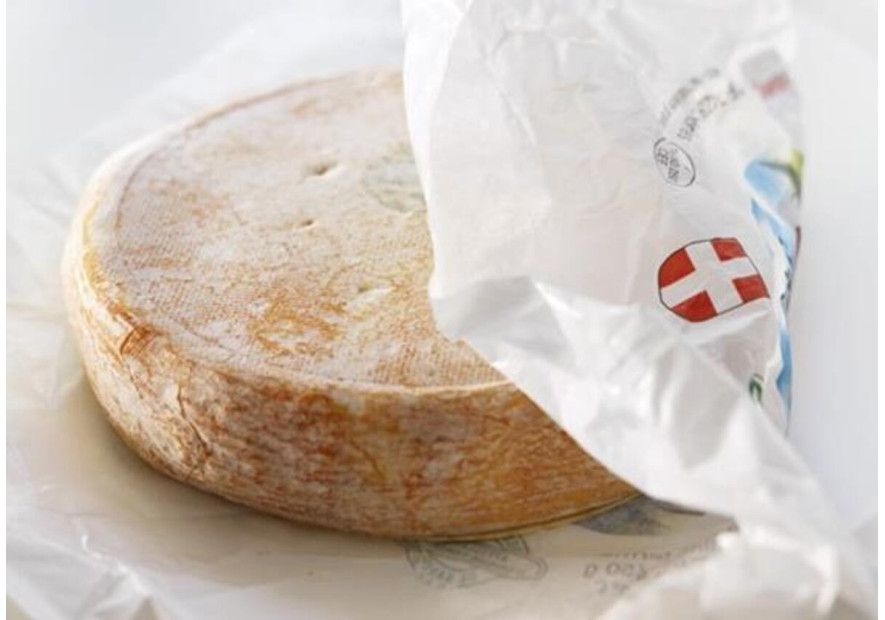
Recognized AOC since 1958, its production amounts to 17,000 tons per year.
the reblochon is a cheese invented to defraud the taxman, well the “taxman” of the time. Its origin dates back to the 13th century, in the mountain pastures of the Thônes valleys. The landowners, nobles and monks, collected a "right of ociege" on the exploitation of the mountain pastures by the peasants.
On the day of the check, the farmer practiced an incomplete milking and finished it once the owner left, by “reblochant”, which means milking a second time, hence the name “reblochon”.
The milk from this second milking was not very abundant, but very rich in cream, ideal for making cheese.
The production area of #reblochon (or reblochon de Savoie) is limited to the mountains of Haute-Savoie and the Val d'Arly, in Savoie. Only three breeds of cows are authorized for the production of Reblochon milk: Abondance, Montbéliarde and Tarine. They are known for their ability to walk in the mountains, for their adaptation to the climate and for the quality of their milk, which is ideal for cheese processing.
The milk used is processed raw and whole. Throughout the manufacturing process, it does not undergo any heat treatment above 37°C, it is neither cooked nor pasteurized. The rind of the cheese is thin, orange-yellow in color and covered with a fine white foam. Its paste is soft and unctuous, white to ivory in color, with a few small openings.
There are two kinds of Reblochon, the farmer, recognizable by its green dot (and its mention “Reblochon farmer” on its packaging) and the dairy (red dot). In the production of farmer's reblochon, the milk is transformed into cheese directly after milking before it has even been able to cool.


