

Professional Glacier Material: What equipment does it take to start?
Open a professional ice cream requires gathering several equipment to make, keep and serve ice in good conditions. But between manufacturing machines, refrigerated equipment and service accessories, how to determine what to actually need to start? The choice of equipment depends in particular on the product volume, prepared recipes and the mode of sale. Discover through this article the main equipment to be installed in the laboratory and the space of sale.
Production equipment
The volume produced and the proposed recipes direct the choice of equipment directly. The world of glacier can serve as a point of reference to identify the material adapted to a professional activity.
Ice or perfect turbine
The ice turbine is freezing the mix while waving it during the manufacturing cycle. The choice of the machine depends mainly on the volume of production and the planned pace of work. A tank turbine is particularly suitable for successive batch fabrications. It makes it easy to change recipe between two cycles.
For significant production, a continuous operating machine can better meet the needs of the laboratory. Its capacity must correspond to the quantities manufactured each day. It is also necessary to consider the available space and installation constraints. The power, the cooling system and the production volume influence the choice of the model. A correctly dimensioned device limits the number of cycles needed to achieve the expected daily volume.
Ice pasteurizer
The pasteurizer heats and then quickly cools some preparations used to make ice cream. The applied cycle depends on the recipe, the selected process and the characteristics of the mix. This heat treatment can help control the microbiological risks associated with certain ingredients. However, it must be integrated into the general health organization of the laboratory.
It can also facilitate regular basic preparation when production focuses on significant volumes. Before purchasing, check the capacity of the tank, available programs and installation constraints.
Professional plunger mixer
The dipping mixer provides homogeneous preparations before or after some manufacturing steps. It can be used to work fruit, puree, coulis or different ingredients entering the recipes. Its power must correspond to the volumes treated in the laboratory.
The model must be adapted to the capacity of the containers used and at the frequency of the preparations. An ergonomic handle can also facilitate repeated manipulations during production periods. For intensive use, focus on a device designed for the constraints of a professional laboratory. Its ease of cleaning is also a criterion to check before purchase.
Raw materials: what to expect ?
The raw materials are the basis of each ice recipe. According to the preparations, they may include milk, cream, sugar and eggs. Fruit recipes can use fresh fruit or adapted purees. Other ingredients can complement the preparations, such as chocolate, dried fruits, coffee or vanilla. The retained ingredients directly depend on the perfumes provided for in the future glaze.
Some manufacturers also use stabilizers, emulsifiers or specific preparations. Their choice depends on the recipe and the manufacturing process retained. These products must be retained according to the conditions indicated by their manufacturer. The refrigerated ingredients require storage adapted to their nature. Dry products must remain protected from moisture and contamination. Adapted storage facilitates stock tracking and limits losses.
Storage and preservation equipment
After manufacturing, the maintenance of temperature becomes essential for ice conservation. The interruption of the cold chain alters the texture, promotes the formation of crystals and reduces the shelf life.
Cooling cell or frozen
A cooling or frozen cell can accelerate the curing of ice after their manufacture. It can cool the preparations quickly before storage in a suitable enclosure. Fast cooling helps to stabilize the structure of the product and limit the formation of large ice crystals. Its interest, however, depends on the volume manufactured and the organization of the laboratory.
The choice of the cell must take into account its capacity and dimensions of the bins used. The refrigeration capacity is also an important criterion when comparing the models. For a small glaze, the purchase must therefore be adapted to the volume actually produced.
Refrigerated cabinets and storage freezers
Raw materials and finished products do not require the same conditions of conservation. A positive cold refrigerated cabinet can store milk, cream, some fruits and sensitive preparations. Ice creams and sorbets require equipment capable of maintaining the conditions of conservation applicable to frozen products. In France, ice creams and sorbets should be kept at a maximum temperature of -18 ° C, depending on the conditions laid down by the regulations.
The capacity of the devices must follow the volume of production and the frequency of supplies. Plan enough space to store the bins without blocking the circulation of cold air. The products must also remain easily accessible to facilitate their rotation.
Sales and service equipment
The sales equipment then intervenes in the presentation and the service of the products. The layout must make it possible to present the perfumes visibly while maintaining the required conservation conditions.
Fridge showcase (or counter in Pozzetti)
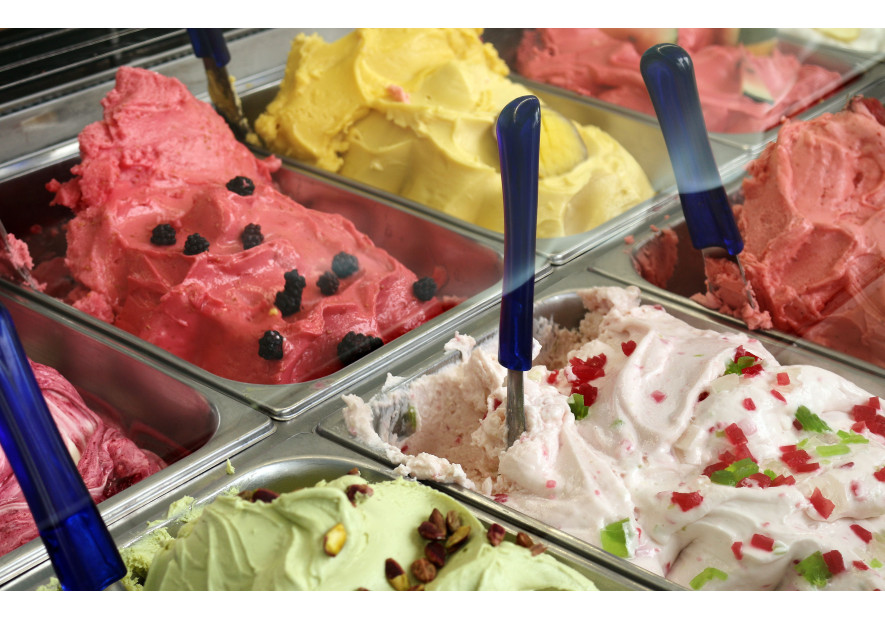
The refrigerated showcase makes it possible to present the various perfumes directly to the counter. A front showcase promotes product visibility and facilitates the customer's choice. The counter in Pozzetti adopts a different organization, with bins placed in closed compartments.
Before purchasing, check the capacity of the installation priority to maintain the required temperature. The dimensions of the bins must also match the locations provided in the window. The mandatory notices for customers must be easily accessible. In particular, they include written allergen information in the proposed products.
Stainless steel ice bins
The bins welcome ice during their storage, exposure or service to the counter. Their format must be compatible with the window or service system used. The stainless steel is particularly suitable for this purpose thanks to its resistance and ease of maintenance. The capacity of the bins must correspond to the quantities sold and at the frequency of renewal of the perfumes.
Plan several bins to distribute the various perfumes and facilitate their identification. The lids can be useful during storage or when some bins are not exposed. Service equipment must complement this installation with horn, pots, cups, spoons and towels. The necessary quantities depend on the volume of sale.
Cornets, pots and cups for service
The cornets allow to serve the ice in individual portions directly to the counter. Several formats can be provided depending on the number of balls or the portions proposed. The pots are another solution for on-site consumption or take away. Their size must match the portions proposed by the glaze. Adapted lids then facilitate transport.
Cups can also meet the needs of on-site or take-away service. Plan the associated accessories, including spoons, towels and lids. The materials retained depend on the consumption mode and constraints of your activity. Quantities must be adapted to the expected selling pace. This organization avoids breaks during highly affluencing periods and simplifies work at the counter.
Insulated bins and containers
Isothermal containers facilitate the transport of ice between the laboratory and the point of sale, or to a place of delivery. Their capacity must correspond to the volumes transported and the number of bins needed. The chosen format must also facilitate handling by staff.
The lids must properly close the containers and limit the heat exchange during the displacement. For deliveries, the equipment must help maintain the products under the required temperature conditions. The duration and conditions planned for transport must therefore be taken into account when choosing the container.
Finally, the material to be expected covers the manufacture, the cold, the storage, the service and the transport of ice. Sizing must mainly consider the volume of production, the number of perfumes and the expected selling mode. Before purchasing, check the capabilities, dimensions, electrical needs, maintenance conditions and availability of after-sales service.
