


Dijon mustard / A little clarification
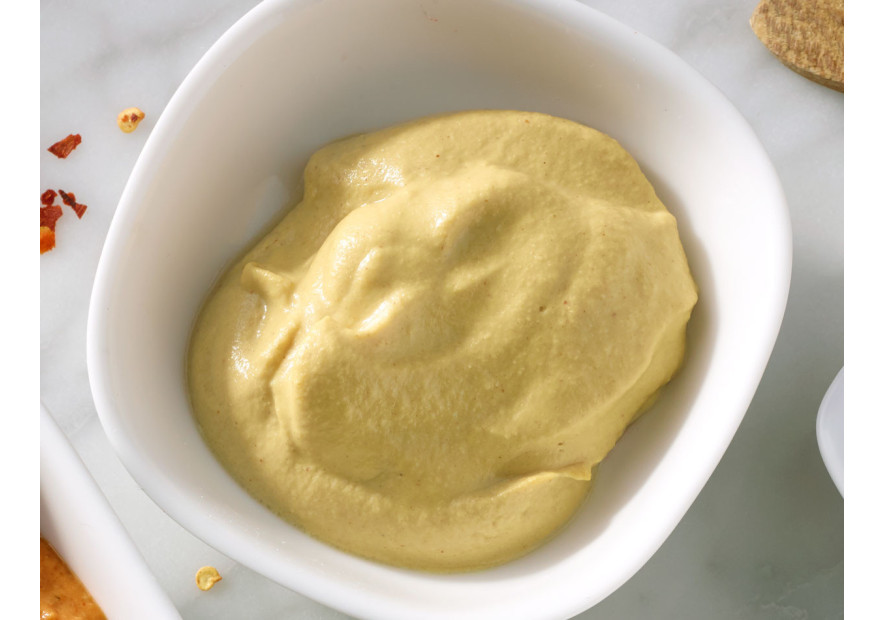
You may not know it, but the name "Dijon mustard" is not an indicator of origin but a manufacturing process defined by decree of July 6, 2000. It can therefore be manufactured anywhere as long as the process is respected according to the specifications!
Historical reminder: the Côte d'Or, mustard's favorite land
Historically, mustard manufacturers settled in the wine regions, where the grapes were, mainly in Burgundy or Bordeaux. This tradition is easily explained when we know that one of the essential components was verjuice, an acid juice extracted from grapes that were not yet ripe. But in the 18th century, a master vinegar maker from Dijon, Jean Naigeon, replaced verjuice with vinegar to improve the taste of mustard, hence the name “Dijon mustard”. The tradition of making (and eating) this condiment still continues today in Burgundy.
I'm not going to reveal the whole manufacturing process that perpetuates an ancestral know-how, but I would still like to point out that mustard has been one of the most cultivated and used spices in the world for centuries. The Egyptians and the Chinese cultivated several species of it, the Greeks and the Romans used it in cooking and in medicine. When used for culinary purposes, it was already associated with vinegar. Remember that mustard is a plant with yellow flowers that produces small seeds called mustard seeds — tiny seeds since it takes 300,000 to make 1 kg of mustard! – which are the essential component of mustard-condiment. Mustard belongs to the same botanical family as cabbage, the Brassicaceae, a word of Celtic origin designating vegetable cabbage. There are different varieties of seeds: brown, white and yellow.
To whet your appetite, here is a very simple recipe: just spread a roast pork (here for 4 people) with a pot of mustard. The 100 g jar is ideal for this. Pour a few drops of oil in the bottom of an oven dish, install the roast and spread it with mustard on all visible sides. Do not put on the underside that touches the dish, it will blacken during cooking. Bake in a preheated oven at 180°C and cook depending on the weight and the more or less elongated shape (50 min to 1 hour for a 1 kilo roast). Served hot or cold with, for example, an endive salad.


