Guide to 8 French cheese families | Very Gourmand
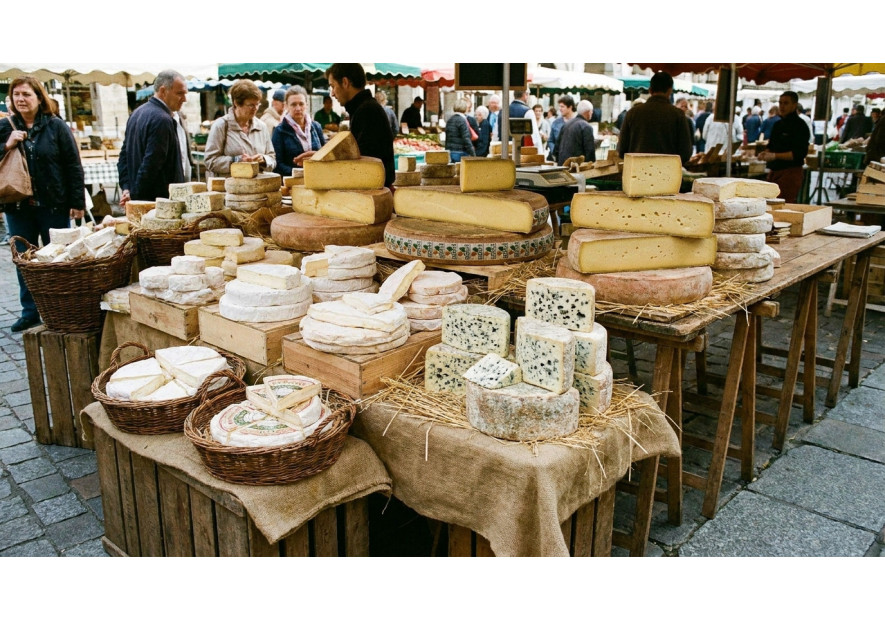
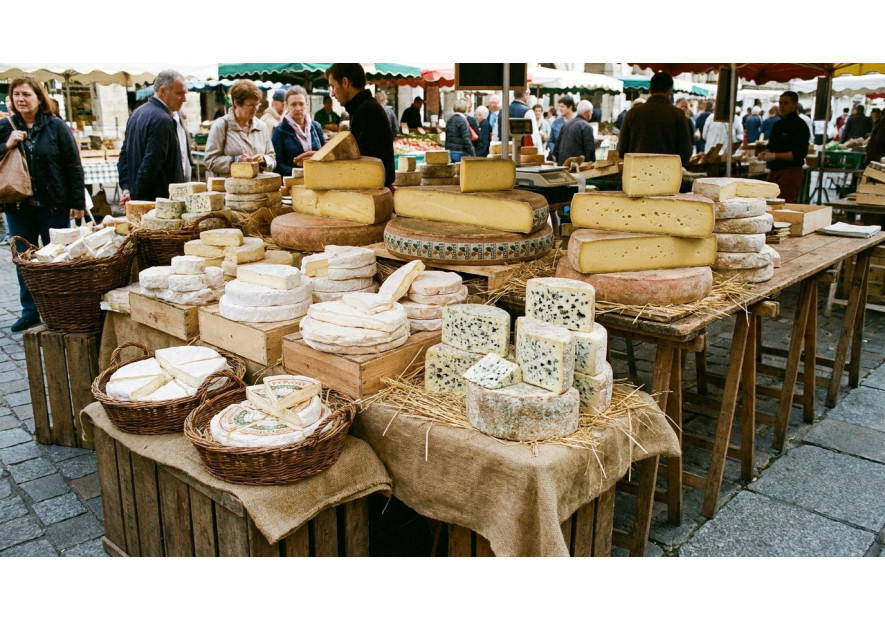
When we discover the diversity of French cheeses for the first time, we can quickly feel lost. Soft pasta, flowery crusts, blue, goats or cheeses with raclette: it is difficult to find it without a clear thread. By understanding the great families of French cheeses, you will know better choose, associate and present your cheeses.
In this guide, we travel together the eight families recognized by professionals, relying on manufacturing and refining techniques. You will have a solid foundation for composing a coherent tray, create a cheese card for a restaurant or simply enrich your tastings at home.
The 8 large families of French cheeses: the ultimate guide
Reading time: ~ 9 min
- Table of contents
- Understanding French cheese families
- Fresh cheeses
- The soft pasta with flower crust
- The soft pasta with washed crust
- Painted pasta
- Uncooked pressed pasta
- Cooked pressed pasta
- Goat cheeses
- Fondal cheeses
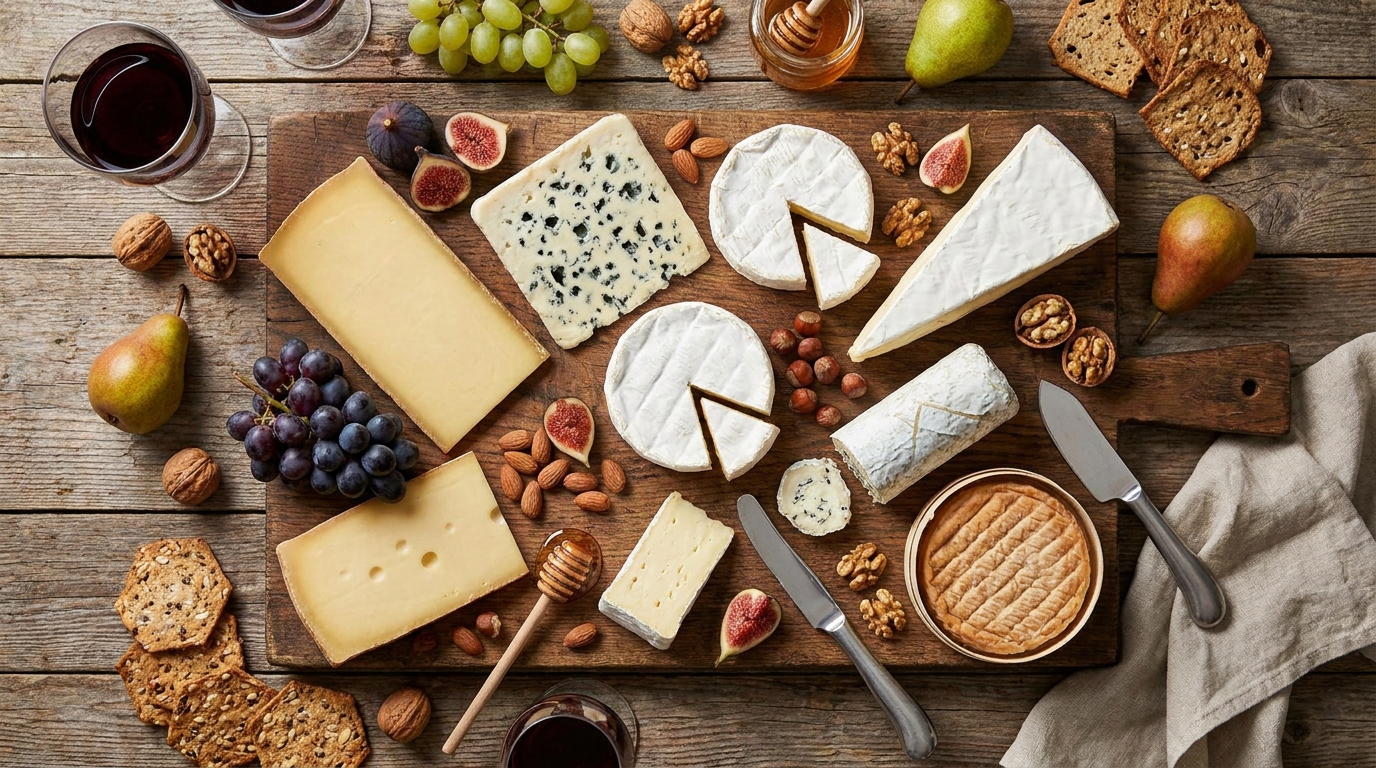
- Compose a tray according to French cheese families
- Frequently asked questions about French cheese families
Understanding French cheese families
A classification based on cheese technology
French cheese families are not defined only by the milk used (cow, goat or sheep) but above all by the way the curd is worked and refined.
The main technical criteria
Why these families of French cheeses count
The same milk can give very different cheeses: a cow's milk will produce a fresh cheese as a refined county; A goat's milk will give a fresh goat cheese, soft, pressed or florriedly crust.
Knowing how to identify these categories allows to recognize a cheese at first glance, anticipate its texture and taste, then better grant it with a wine or a trim.
Fresh cheeses
Definition and manufacture of fresh cheeses
Fresh cheeses are the simplest to understand and often the most accessible for a palace unusied with powerful cheeses. They come from a lactic curd very little drained, almost without ripening.
Taste profile, examples and uses
Features: soft, wet, creamy or granular texture; very soft taste, milky, slightly acidulous; no crust formed.
Typical examples: White cheese, Faisselle, some fresh squares or spread specialties. These cheeses consume young: light entrances, fruit desserts, breakfasts. In Horeca, they serve as a basis for salty verrins, creamy or apteritative dips.
The soft pasta with flower crust
Appearance, texture and aromas
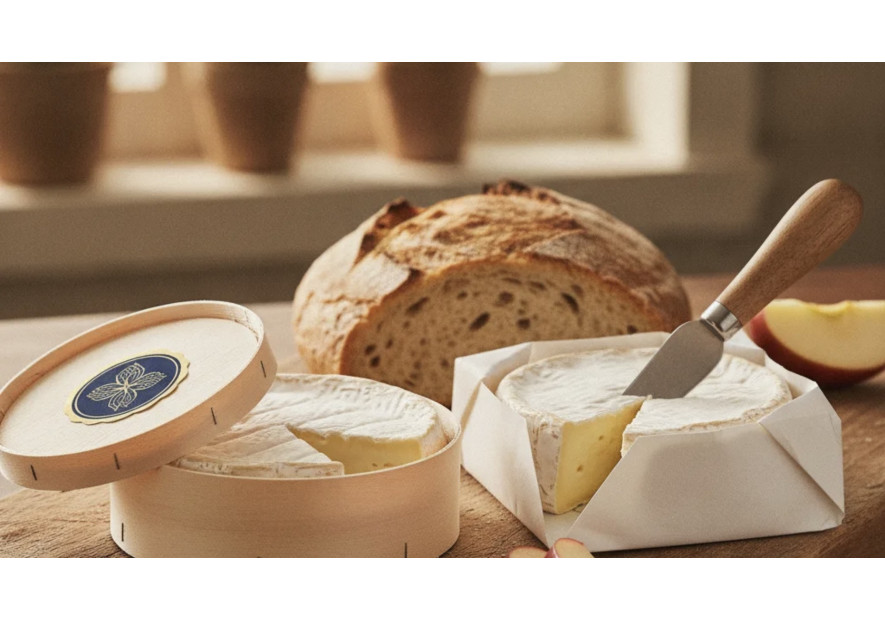
Often the most famous family abroad, it is characterized by a crust covered with a white down born of specific mold during ripening.
Features: soft and flexible paste, sometimes flowing; white crust white exhaustle generally edible; aromas of cream, mushroom, butter, dry hay.
Examples of French cheeses and agreements
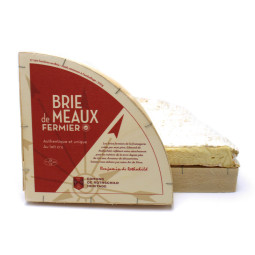
Emblematic examples: Brie de Meaux or Melun, Camembert of Normandy, Coulommiers. Tasted at room temperature for all their creamy, they reassure the guests less accustomed to marked flavors and marry with country breads, ciders or white white wines.
The soft pasta with washed crust
A crust worked by the washes
Here, the crust is washed regularly with salt water (sometimes alcoholic): specific microflora, orange crust and powerful aromas.
Features: soft, slightly elastic paste; wet and sticky crust, orange or brownish color; intense odors but dough softer than we imagine.
French examples: Munster d'Alsace and Vosges, Esishes de Bourgogne, Livarot.
To go further: the history of Munster. Ideal for bringing character to a tray; In cooking: Munster on potatoes, pies or gratins.
Painted pasta
Specific work of mold
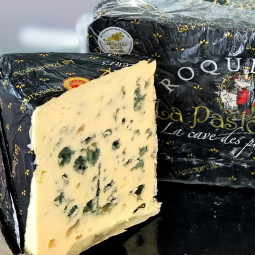
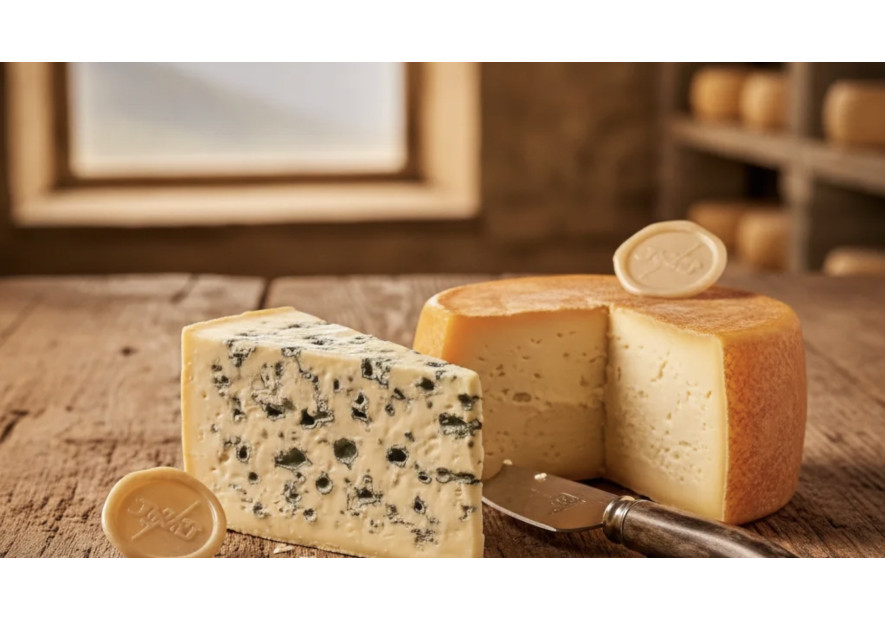
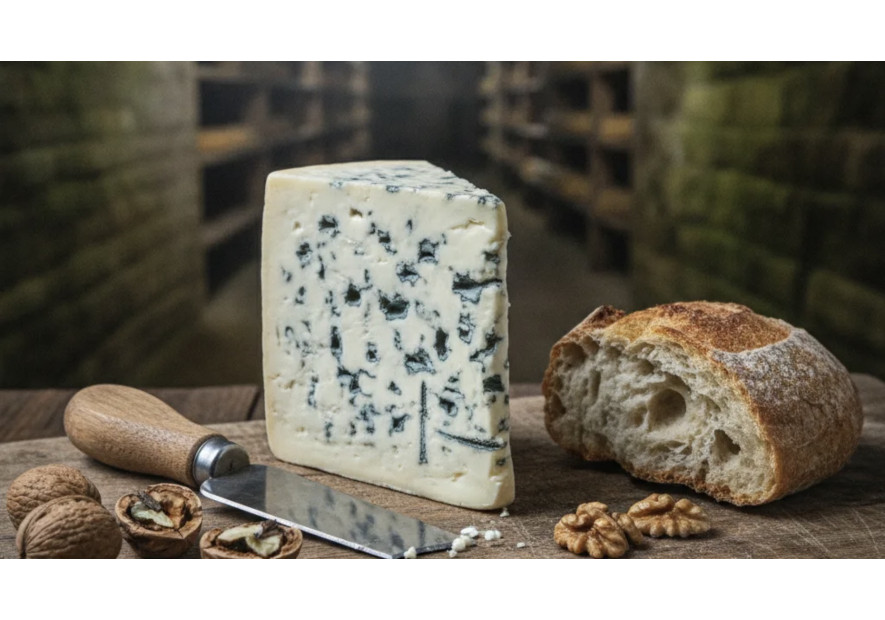
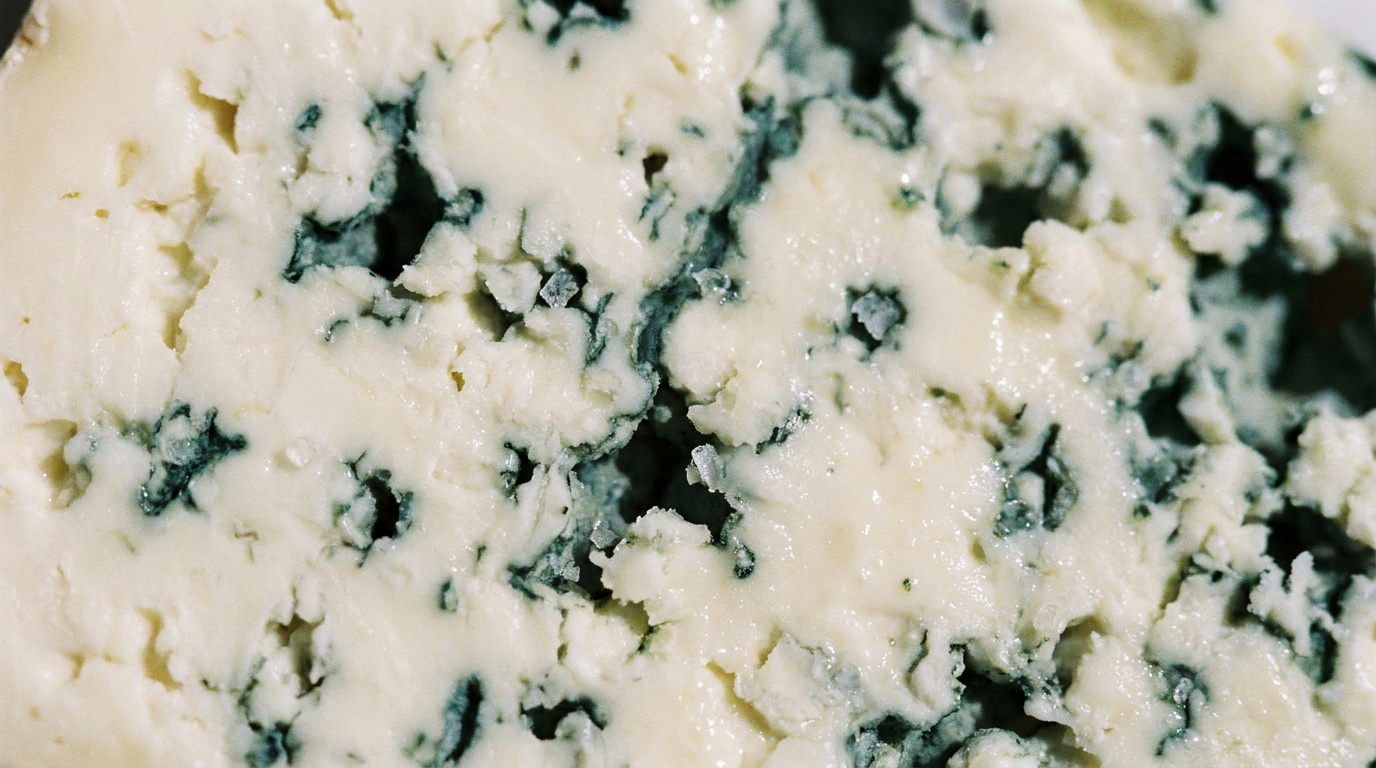
Nicknamed "Blue", these cheeses have blue or green vents from seeding then stitching of the dough.
Features: friable paste with creamy; blue / green crossings; salty flavors, typical, sometimes pungent.
Examples and uses of French blues
Must-see examples: Roquefort (sheep's milk), Ambert, Auvergne blue.
Complementary Focus: blue cheese guide. Perfect at the end of meal, in red meat sauces, pear–walled salads or gourmet pizzas.
Uncooked pressed pasta
Drifted curd and then pressed without heating; Flexible but structured paste, protected from a natural crust.
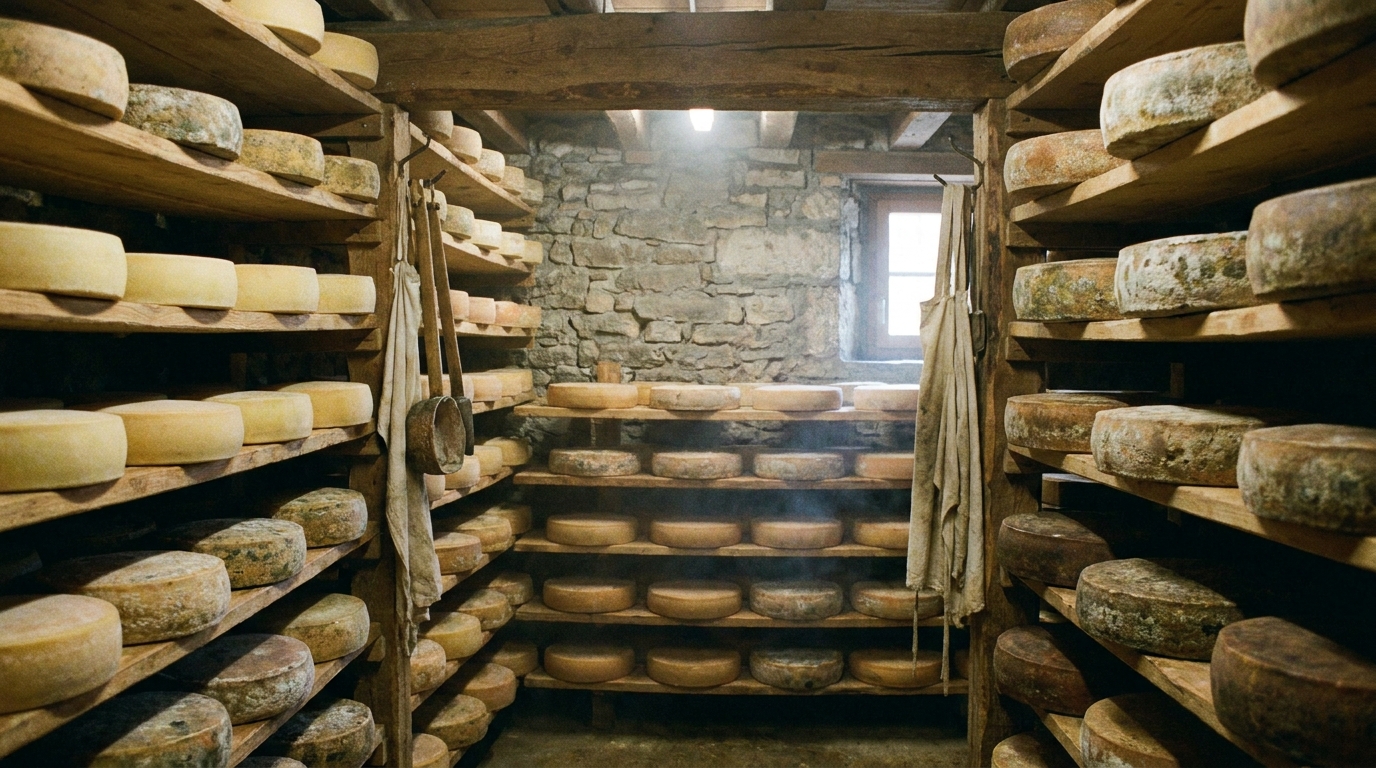
Features: firm but melting paste, sometimes elastic; natural or brushed crust; aromas of butter, hazelnut, cream according to ripening.
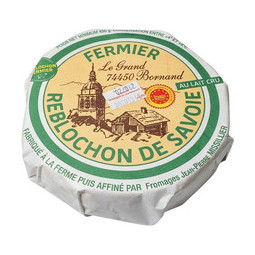
French examples: Saint-Nectaire, Cantal, Reblochon. Versatile: tray, cold or hot kitchen (Croque-sir, vegetable gratins, burgers "gourmets.")
Cooked pressed pasta
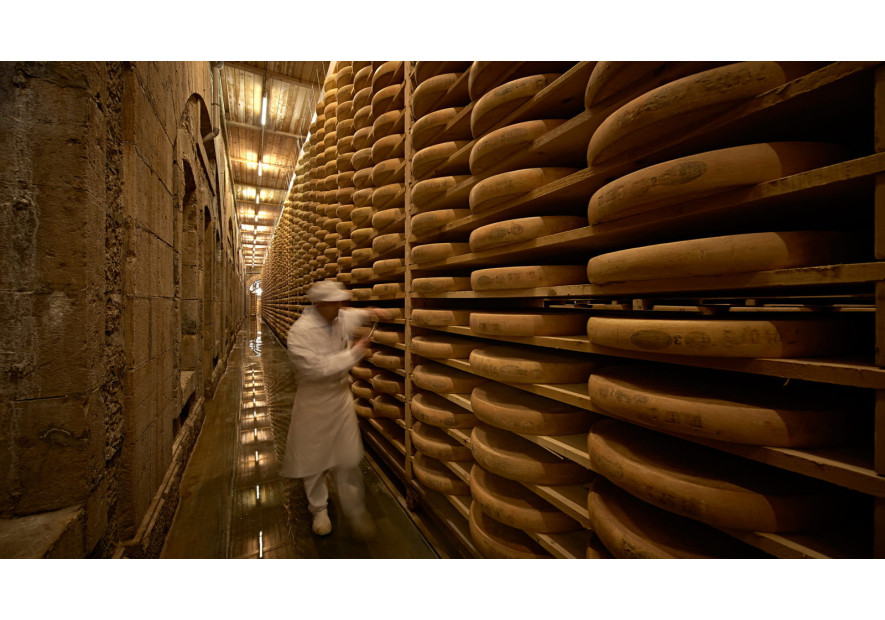
The curd is heated at high temperature before pressing; Large firm and elastic dough grinding wheels, good conservation and transportation.
Features: smooth, firm and elastic paste; variable holes; hazelnut flavors, butter, dried fruit after long ripening.
Related examples: County, Beaufort, Emmental French.
Discover the Bahardes farm for mountain specialties. Need help for the squeegee? Consult this guide to the best cheeses with raclette. Ideal for melted, gratins, croziflette or generous trays.
Goat cheeses
A family defined by milk
Family apart: defined by milk and not by a single technology. Fresh goats are found, soft pasta or pressed.
Diversity of textures and agreements
General characteristics: very fresh and friable dough in dense and farm; fine crust (often ashen, flowery or natural); more or less goat taste, often sweet when you are young.
Emblematic examples: Cartin de Chavignol, Sainte-Maure de Touraine, many small pucks or regional logs. Perfect salads, hot sandy, honey or jam associations and bring freshness and typicity to a tray.
Fondal cheeses
Principle of melted cheeses
Last big category: preparations from the redesign of one or more cheeses, sometimes enriched with cream or other ingredients.
Features: homogeneous and flexible texture; sweet and steady flavor; practical formats (portions, barquarters, blocks.)
Examples and professional uses
Examples: spread cheeses for sandwiches and aperitifs; cancoillotte. Appreciated for their ease of use in collective catering, sandwich or snacking; They complement the offer without replacing the more typed land cheeses.
Compose a tray according to French cheese families
- a fresh cheese,
- a soft paste with flower crust,
- a soft paste with washed crust,
- a parsley paste,
- an uncooked pressed paste and a cooked,
- one or two goats for the freshness.
Add country bread, dried fruits, fresh fruit and possibly cold cuts. Depending on your market (Germany, Italy, United Kingdom, etc.), modulate the intensity of tastes and the degree of refining.
Frequently asked questions about French cheese families
How many French cheese families are there families?
There are usually eight large technical families: fresh cheeses, soft pasta with flower crust, soft pasta washed, paste, uncooked pressed pasta, baked in-bore pasta, goat cheeses and melted cheeses. Each then gathers dozens of PDOs and local specialties.
Do the goat cheeses form a family in its own right?
Yes and no: by milk, it's a family; Technologically, a goat can be fresh, soft pastry or pressed with various crusts. We must therefore consider both the type of milk and the texture.
How to choose cheese for a restaurant outside France?
For an international clientele, offer one or two very accessible cheeses (fees or fresh hurry paste), add one or two French classics (brie, camembert, county) and integrate a more typed cheese (blue or washed crust) for connoisseurs. Adjust the intensity of flavors by country and familiarity of customers.
By controlling these families, you have a reading grid to understand, choose and enhance your cheeses. To deepen some styles (mountain, raclette), for example, explore the selection of the Bahardes farm or our raclette guide. Need to go further? Discover our solutions Very Gourmand. To explore our complete offer, visit Very Gourmand.